 Tweet
Tweet Facebook
 WhatsApp
 Telegram
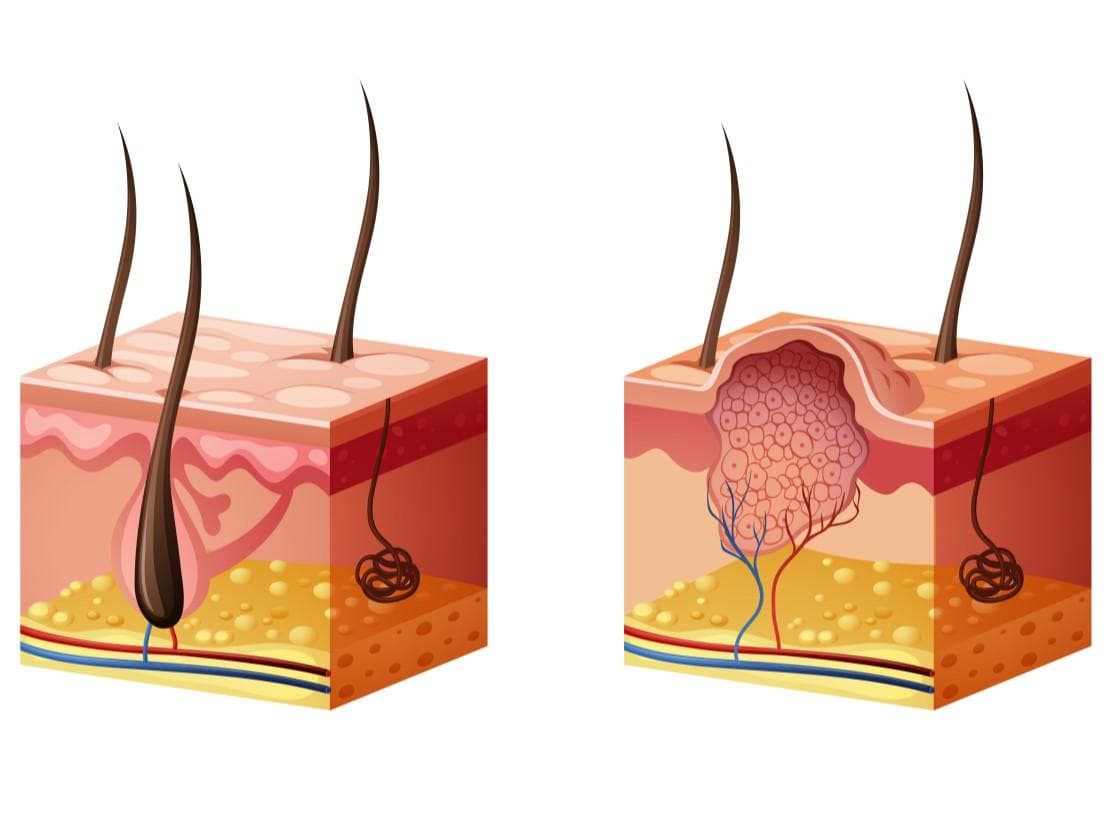
Eye puffiness can stem from various causes. People have tried numerous methods to reduce this swelling. A key reason for the puffy look is that the blood vessels in the eyelids become visible through the thin skin. This results in a swollen and dark appearance, which is generally considered undesirable.
The primary reason for eye puffiness is that the skin on the eyelids is the thinnest on the body, making the blood vessels easily visible. This can be treated through the vasoconstrictive effect of caffeine.
Physiological and emotional responses can further increase this puffiness. These include high alcohol consumption, frequent crying, high salt intake, lack of sleep, and other factors.
Caffeine, found in substances like tea and coffee, is a chemical known for its stimulating effect on the central nervous system.
In the cosmetics industry, it is well-known that caffeine is used in products designed to prevent cellulite.
In the cosmetics sector, caffeine-based formulations typically contain 3% caffeine. To prevent eye puffiness, the most suitable product is a hydrophilic gel. This type of gel provides an excellent finish, a cooling sensation, and a non-greasy feel on the eyelids.
What is the Caffeine Gel Formula?
- 0.5 g Carbomer
- 3% by weight caffeine
- 2% ethyl alcohol
- 0.3% Phenoxyethanol
- 7.5%, 15%, and 30% Mono Propylene Glycol (MPG) USP concentrations
- Completed to 100% by weight with water.
- pH is adjusted to 5.5 with Triethanolamine to maintain the skin's ecological balance.
- It is then mixed with a magnetic stirrer to remove air bubbles from the emulsion.
The solubility of Caffeine in water is very low. Therefore, a more effective solvent and a chemical that can provide a cooling sensation are required. For this reason, Mono Propylene Glycol USP is used to obtain a clearer solution and for its other beneficial effects.
The use of Mono Propylene Glycol allows caffeine to penetrate the skin. The highest permeability was observed in concentrations containing 15%, 30%, and 7.5% MPG, in that order. The cream works by penetrating the skin to reach and act on the area causing the puffiness.
Additionally, Mono Propylene Glycol has the ability to enhance the skin permeability of ibuprofen, hydrocortisone, and many other medications.
Although the formulation with 7.5% MPG showed lower skin permeability, it provided a more sustained effect. For this reason, this concentration warrants further consideration. Increasing the concentration of Mono Propylene Glycol can have a negative impact on the penetration of the active ingredient into the skin.
After production, the Caffeine Gel was tested on rabbits to assess acute eye irritation, applying 0.1 mL. This application caused some redness on the rabbits' eyelids, but the effect disappeared within 24 hours.
Furthermore, the caffeine gel was observed to have no effect on the cornea or iris, leading to the conclusion that it is safe for use. However, despite its safety profile, direct contact with the eyes should be avoided.
How Can Caffeine Gel Be Effective in Reducing Eye Puffiness?
When applied to the skin's surface, caffeine can increase blood circulation by dilating blood vessels. This helps accelerate circulation around the eyes, which can aid in reducing problems such as edema and puffiness. Caffeine may reduce melanin production in the skin, which can lighten the appearance of under-eye dark circles. It can also reduce skin laxity and help tighten tissues. This property can help the skin around the eyes appear firmer and more youthful.