 Tweet
Tweet Facebook
 WhatsApp
 Telegram
Many effective agents have been used to keep human skin smooth and moist. The substances used must be advantageous in terms of price as well as the performance they exhibit for moisturizing the skin. The most significant feature of these substances is their ability to reduce skin moisture loss by application when the skin becomes highly dehydrated and is constantly exposed to detergent substances.
Dry skin is an undesirable condition for people. Biochemically, the loss of water from the skin creates a dry surface. Water evaporates from the skin when the skin's vapor pressure is higher than that of the air surrounding the epidermis.
How to Prevent Water Loss from the Skin?
To prevent water loss occurring due to high vapor pressure in the skin, it is necessary to prevent water loss to ensure a moist state in the stratum corneum. The dissolution of lipids and water-soluble components in the stratum corneum must be prevented.
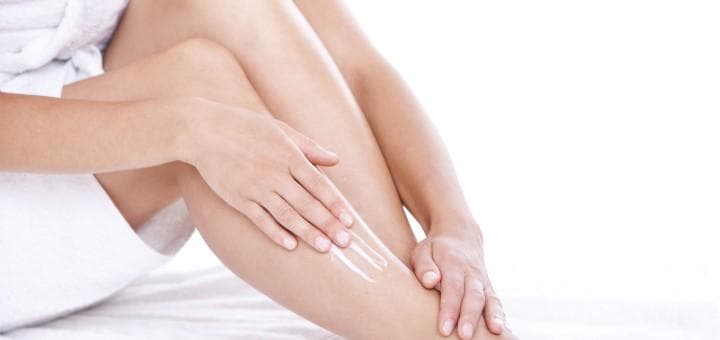
Moisturizing creams are used to relieve skin dryness. Moisturizing creams ensure the environment remains moist by changing the diffusion rate of epidermal lipids in the corneal layer and the water present in the skin layer.
What are the Compositions Used?
Many compositions have been used to moisturize the skin. Among these, glycerol, glycerol ethers, or polyalcohol derivatives have been used.
In cosmetic products, glycerol ethers such as monoalkyl ethers are used in many applications. Glycerin is the most preferred humectant due to both its cost advantage and excellent moisture retention properties.
What is the Emollient Cream Formula?
In previously used product compositions, Glycerin (Glycerol) or diglycerol was used alone. However, when humectant compounds like glycerol and diglycerol are used in a modified form, they provide a longer-lasting moisturizing effect.
The Compositions Used are as Follows
- Pure Water
- Diglycerin (Diglycerol)
- Glycerin (Glycerol)
- 70 Viscosity Mineral Oil (Liquid Paraffin)
- Thickener (Viscosity Increasing Carbomer)
- Stearic Acid
- Glycol Stearate
- Lanolin
- Triethanolamine
- Glyceryl Monostearate
- Cetyl Alcohol
- Dimethicone
- Magnesium Aluminum Silicate
In body lotion production, EDTA is used as a preservative instead of parabens.
What are the Application Areas of Moisturizing Agents?
The areas where substances with moisturizing ability are used are as follows.
- In pharmacological drugs (creams)
- In body lotions for topical applications
- In the manufacture of antiperspirant cosmetic products
- In shower and bath soaps
- In body lotions used after bathing
- In foundation production
- In blush production
- In cosmetic products such as eye shadow, mascara, and lip gloss
- In sunscreens
- In tanning agents
Used.
Commonly Used Chemicals in Skin Moisturizing Products are:
Glycerin: Increases skin moisture levels and helps retain moisture in the skin.
Hyaluronic Acid: Increases skin moisture levels, plumps, and hydrates the skin.
Urea: Maintains the skin's moisture balance, increases the moisture of dry skin, and softens the skin.
Vaseline: Maintains skin moisture and prevents water loss from the skin.
Lanolin: Used as a natural moisturizer and softens the skin.
Dimethicone: Prevents water loss by locking in skin moisture and smooths the skin.
Shea Butter: Has nourishing properties, moisturizes, and softens the skin.
Aloe Vera Gel: Moisturizes the skin, soothes, and reduces irritation.
Jojoba Oil: A lightweight and fast-absorbing oil that moisturizes and softens the skin.
Collagen: Increases skin elasticity, thereby reducing wrinkles and moisturizing the skin.